Exhibits & Archives
These exhibits highlight everyday life, industry, and people who shaped Greenbrier and Robertson County. Each item represents a moment preserved so it can be shared, studied, and remembered..
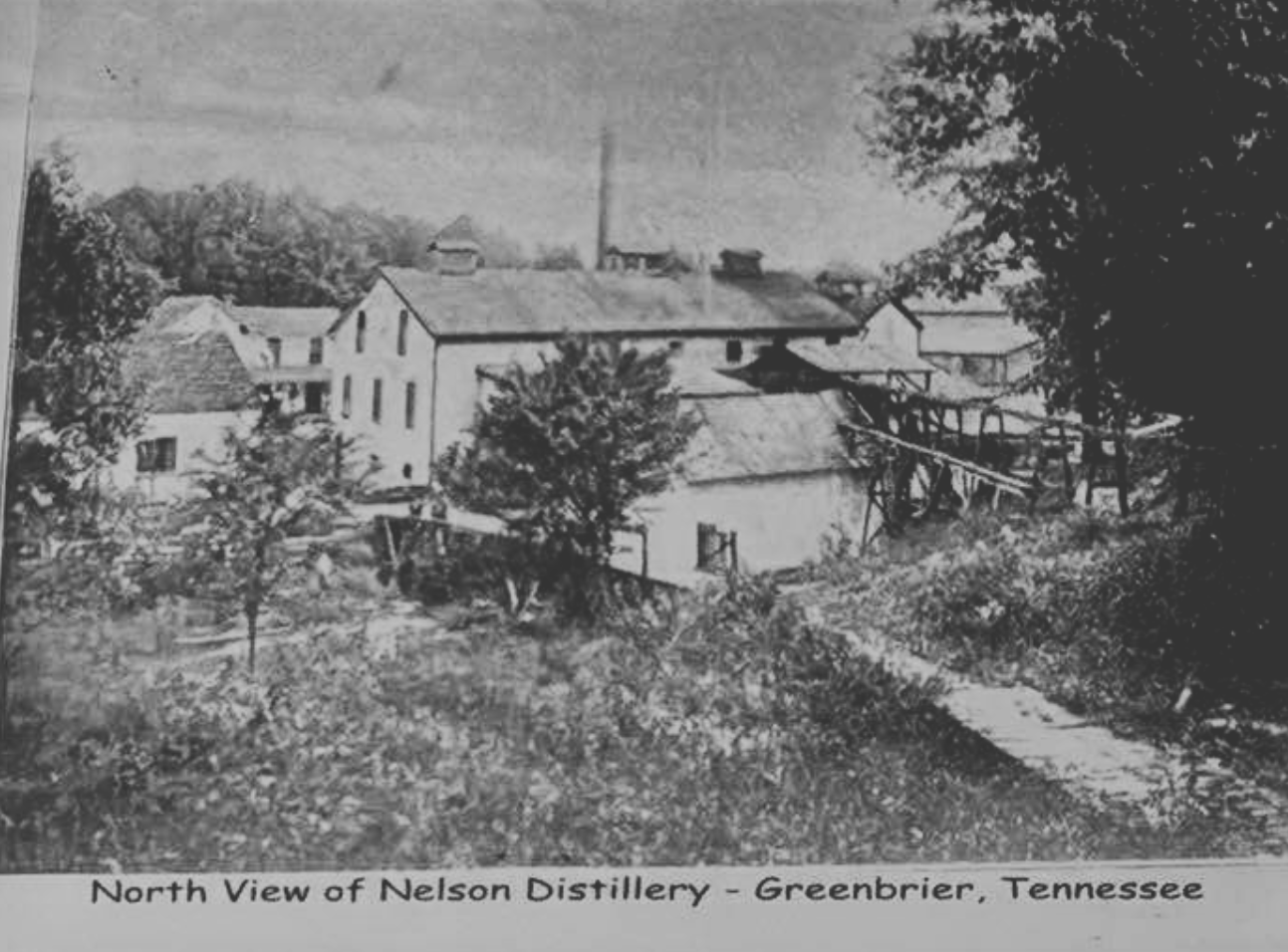
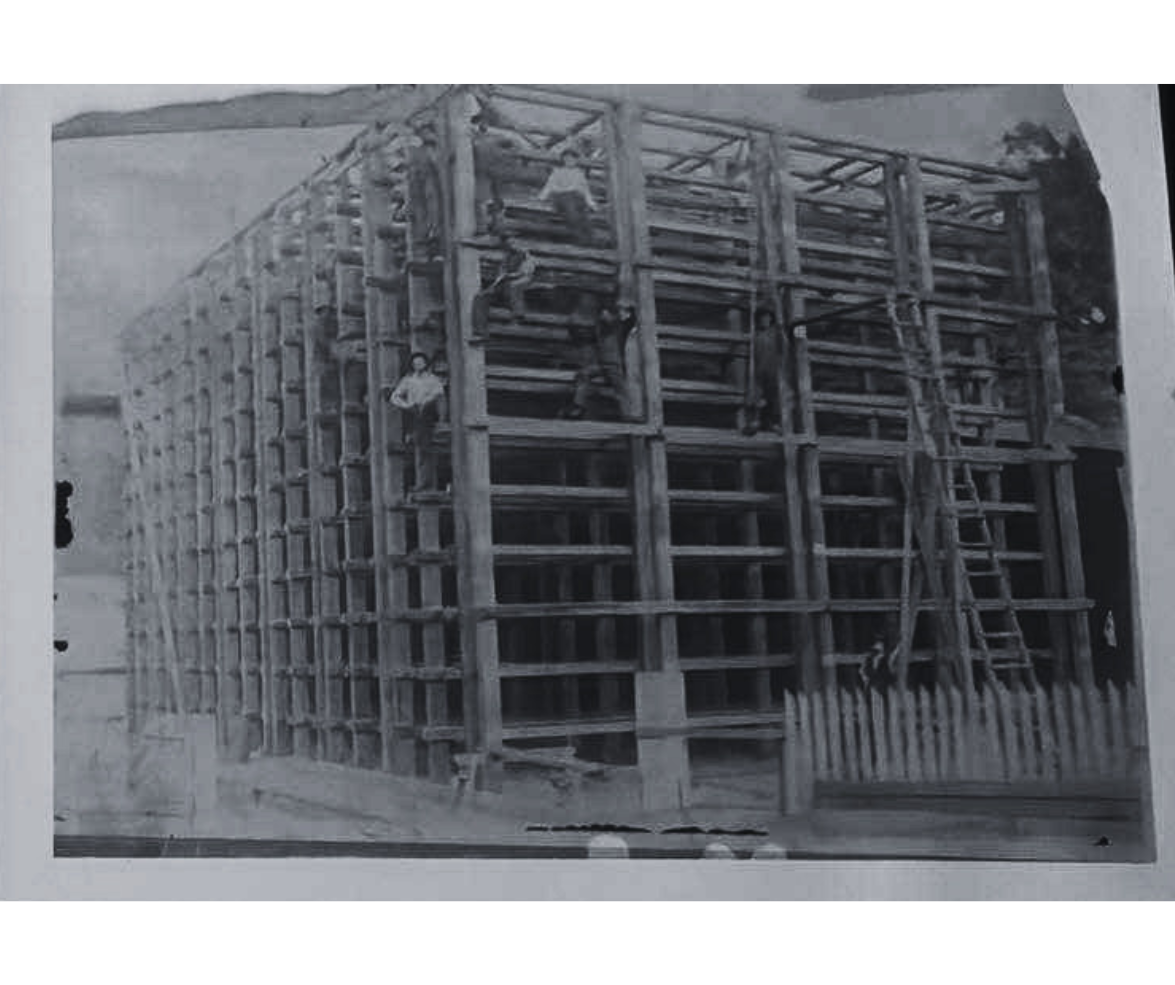
CHARLES NELSON’S GREENBRIER DISTILLERY
The most important factor in the early growth of Greenbrier was the economic impact of Charles Nelson’s Greenbrier Distillery which stimulated supporting industries and other businesses and brought in settlers.
Charles Nelson’s Greenbrier Distillery
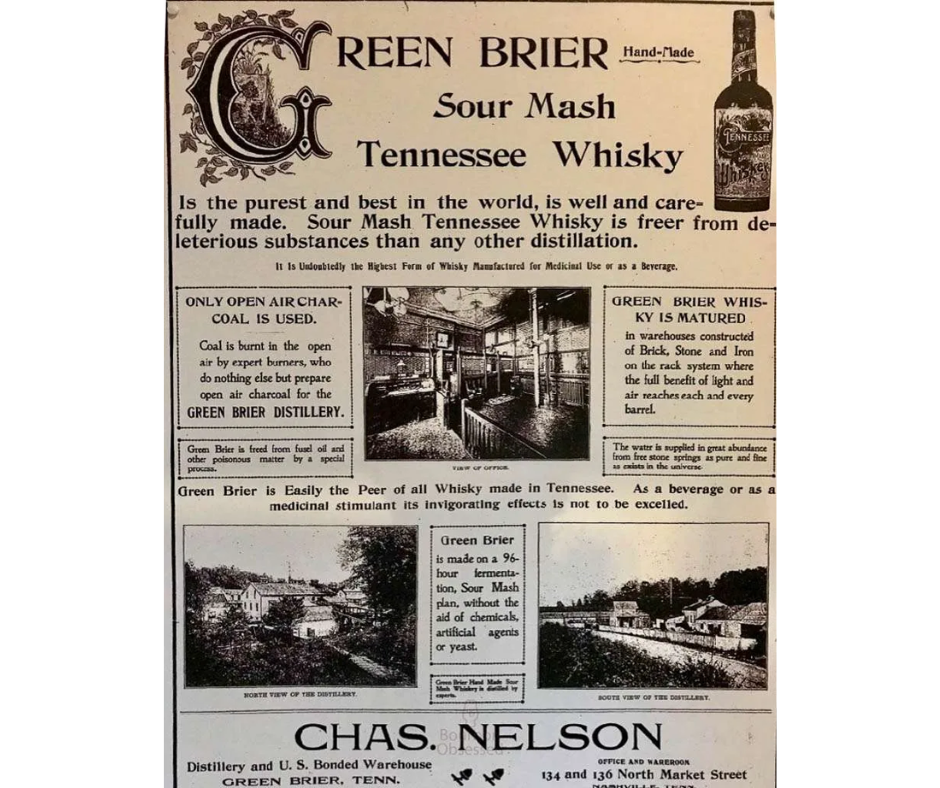
The Distillery played a major role in the early growth of Greenbrier by supporting local industries, encouraging new businesses, and attracting settlers to the community. Charles Nelson, a native of Germany, was in the wholesale grocery business in Nashville in the 1860s. His business included the buying and selling of whiskey, brandy and wine. In 1870 he purchased land at Greenbrier that included a large natural spring and began production of sour mash whiskey in 1872.
By 1885 the distillery had become the largest in the state, and production had reached over 8,000 barrels, or 379,125 gallons, per year. This was more than one third of the entire whiskey production in Tennessee at that time.
Although manufactured at Greenbrier, the whiskey was shipped in barrels by train to Nashville, bottled under the Greenbrier label as “Nelson’s Best” and “Nelson’s Rock Corn Whiskey” and distributed from Mr. Nelson’s warehouse on Market Street, now Second Avenue North, in downtown Nashville. Fruit brandies were also produced periodically.
Nelson’s Greenbrier Distillery ceased production in 1909 upon passage of statewide prohibition legislation and never re opened.
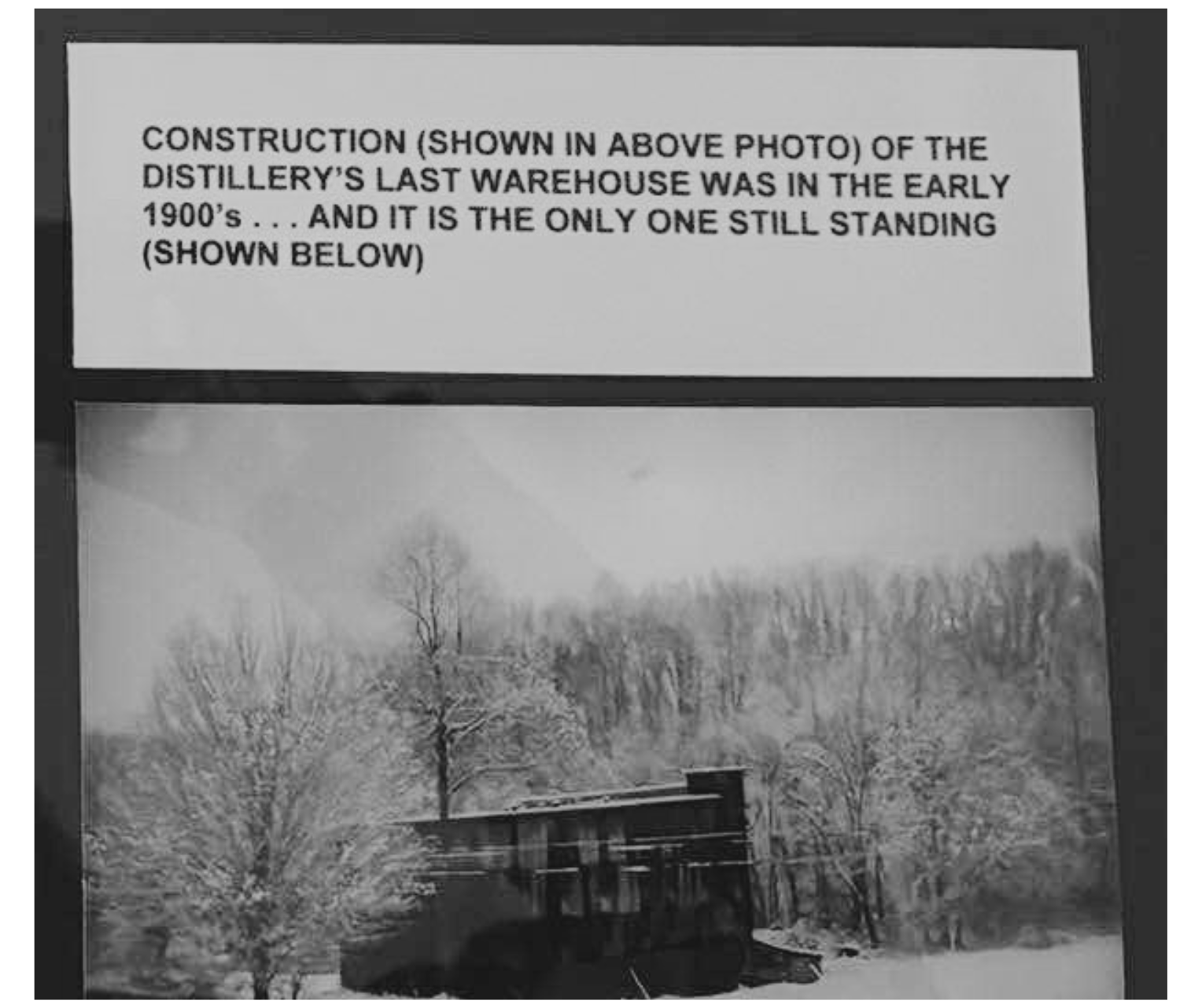
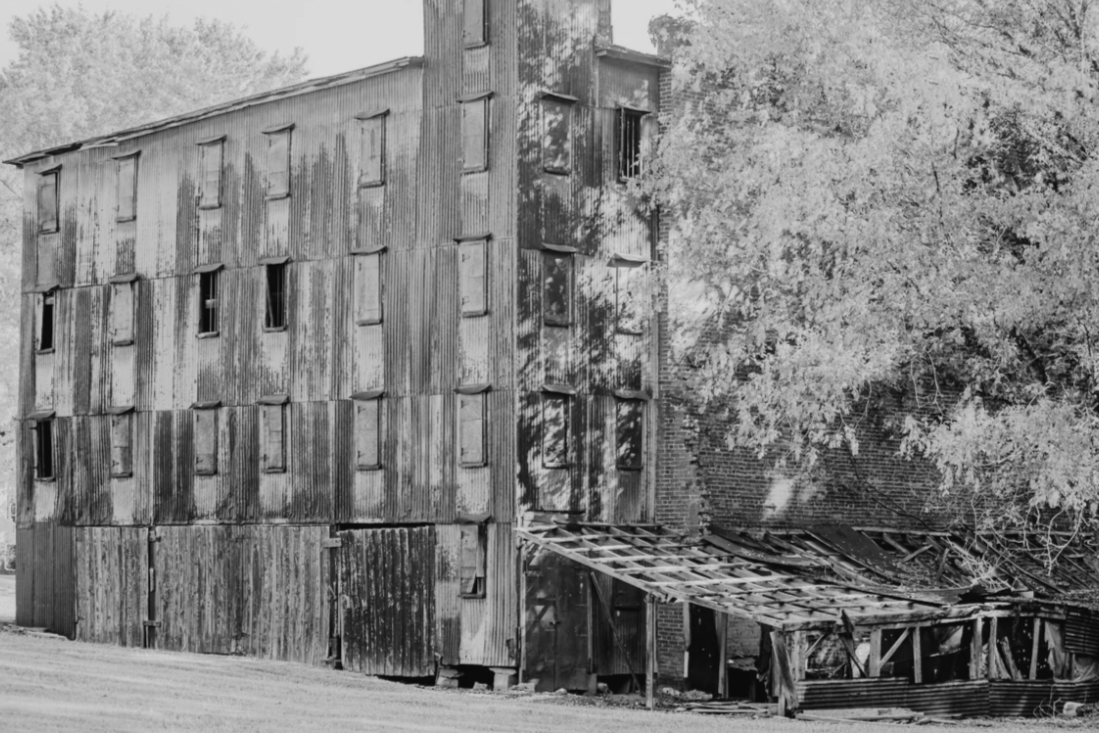
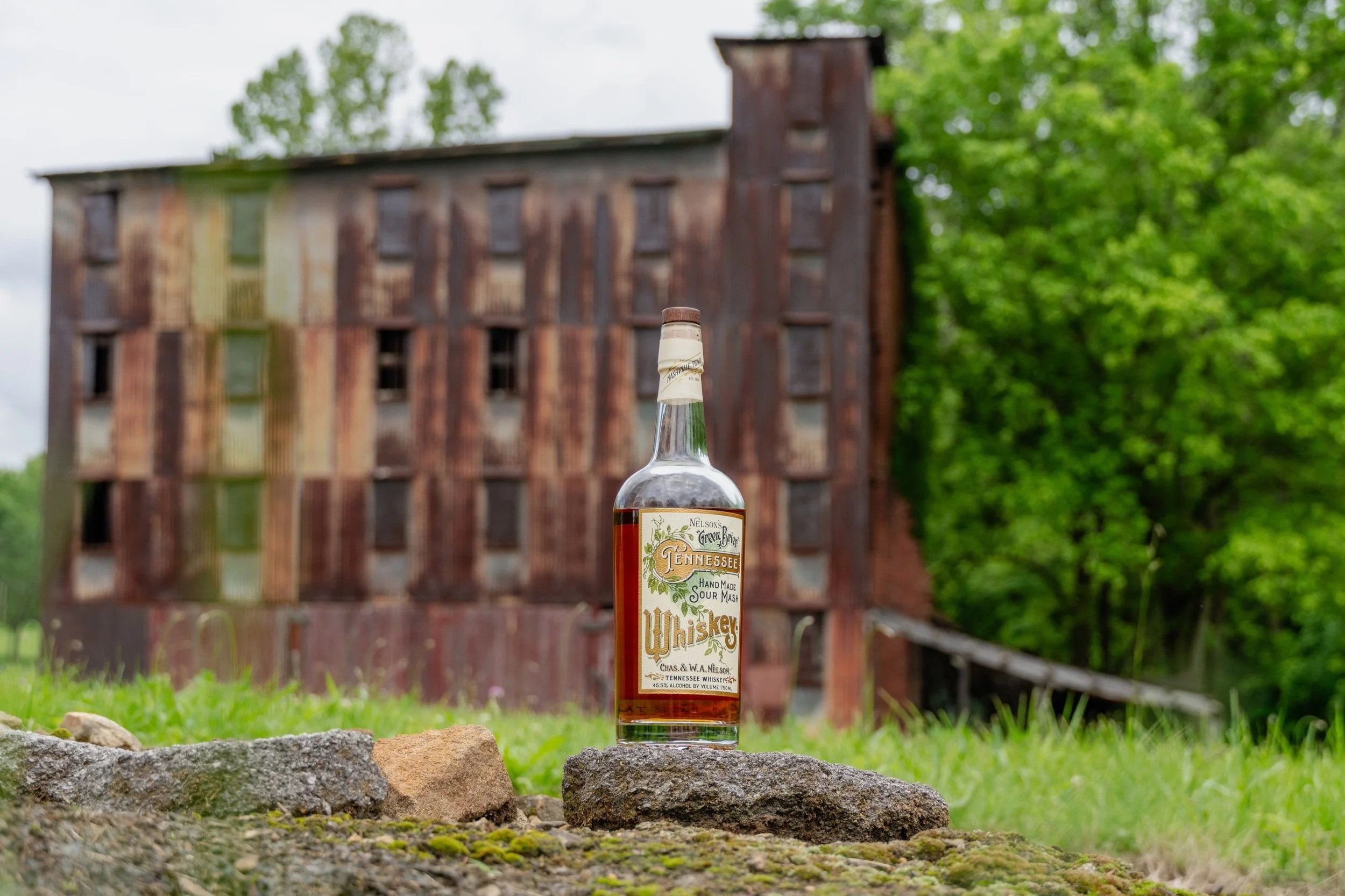
A section of this great old distillery still stands on Main Street, one mile east of Highway 41, the four tier metal warehouse which stored aging barrels of whiskey, the barrel house at creekside and the brick springhouse.
An historical marker was dedicated in 2003 at the southeast corner of Highway 41 and Main Street by the Daughters of the American Revolution Charlotte Reeves Robertson Chapter to honor this piece of our past.
Community Figures of Early Greenbrier
Mrs. Kizzie Bruce
Was the first switchboard operator in Greenbrier. She operated the town’s first telephone system in the early 1900s, manually connecting calls and managing local communications before dial telephones were introduced.
Greenbrier’s first telephone system relied on a manual switchboard, with calls routed by an operator rather than dialed directly. Mrs. Kizzie Bruce played a key role in this early system, serving as a central point of communication for the town during a period of rapid technological change.
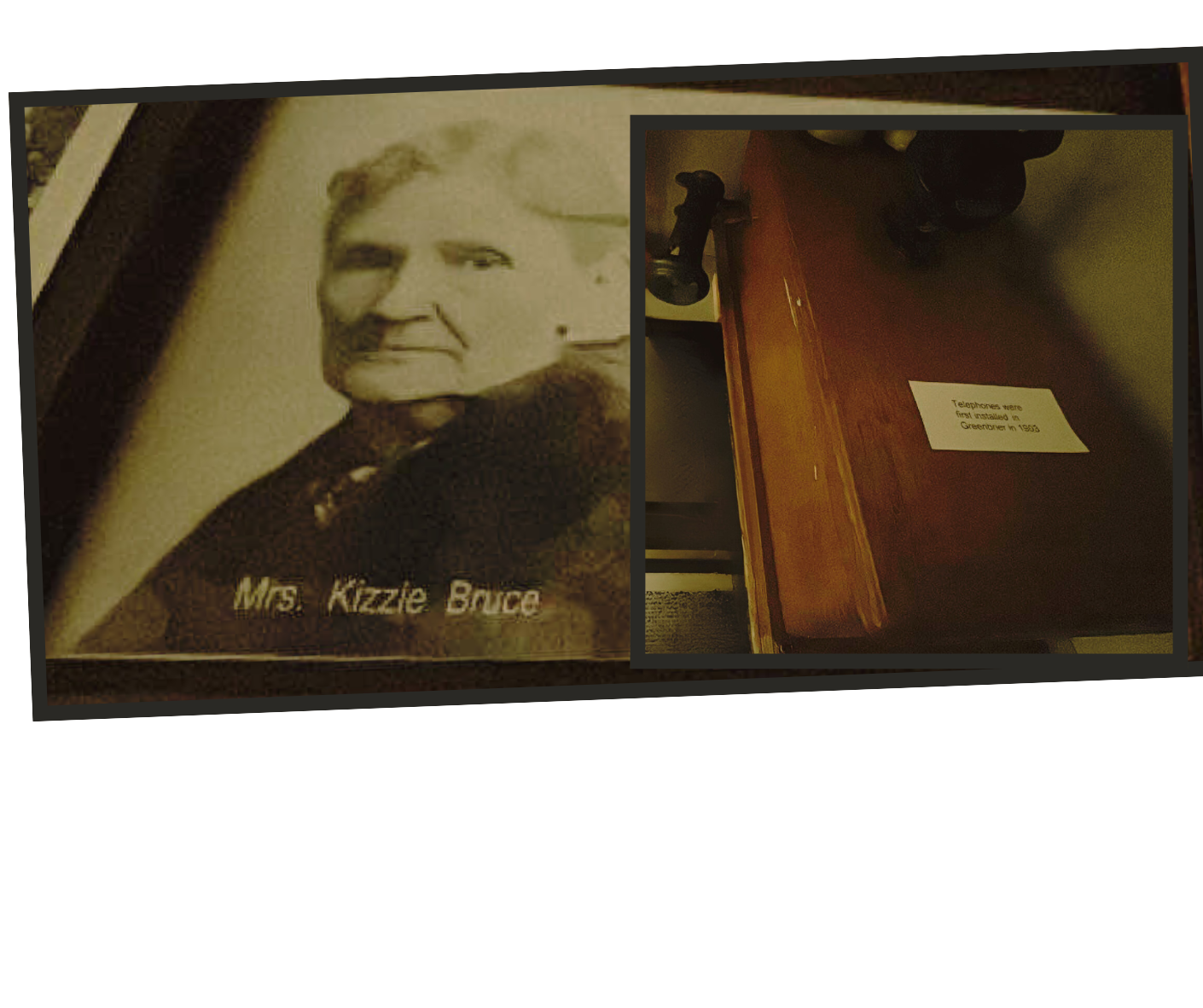
Early Telephone Service in Greenbrier
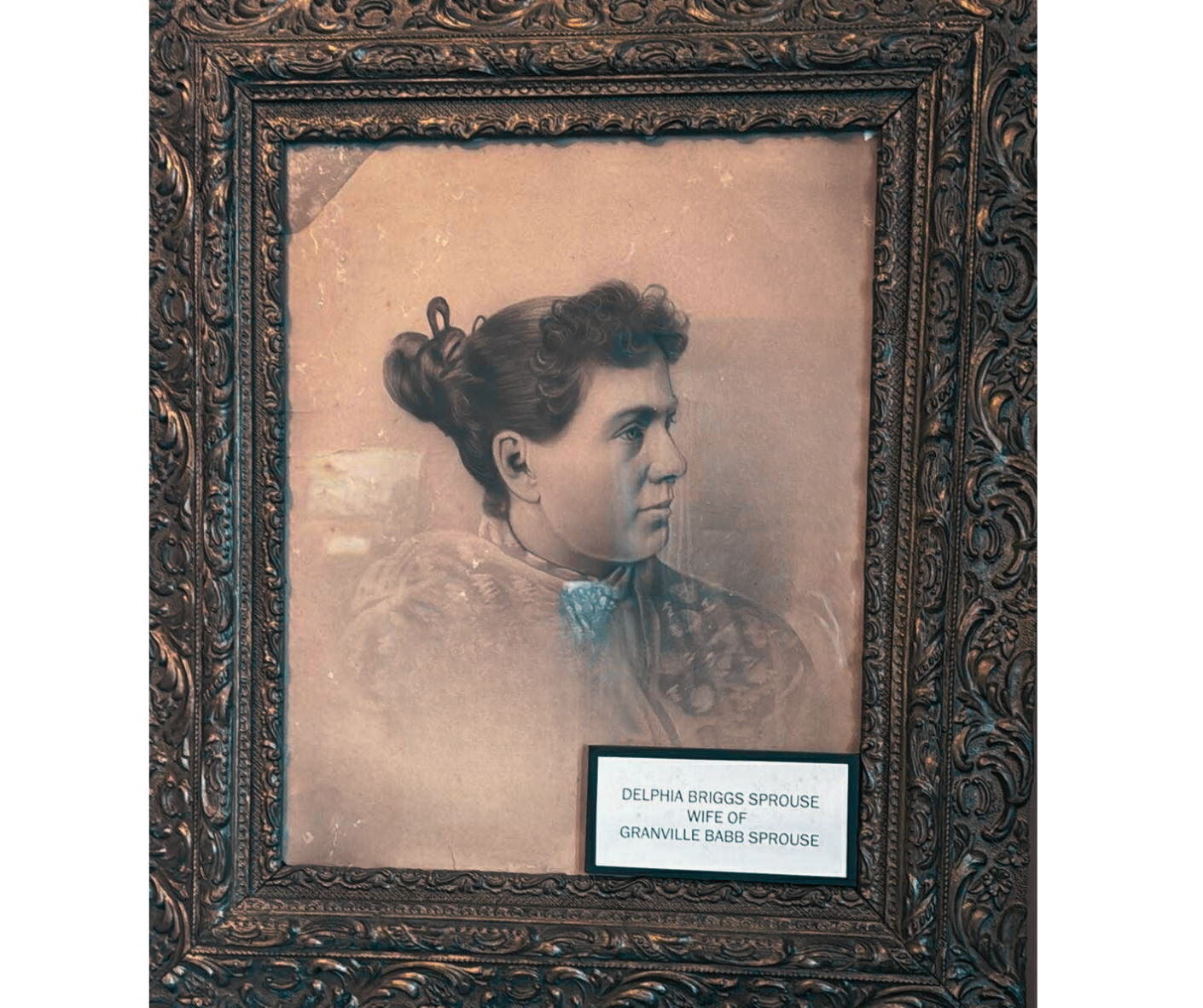
Delphia Briggs Sprouse
Wife of Granville Babb Sprouse
Delphia Briggs Sprouse was a member of one of Greenbrier’s early families.
Her portrait reflects the lives of women who helped shape the community through family, tradition, and daily life during the late 19th and early 20th centuries.
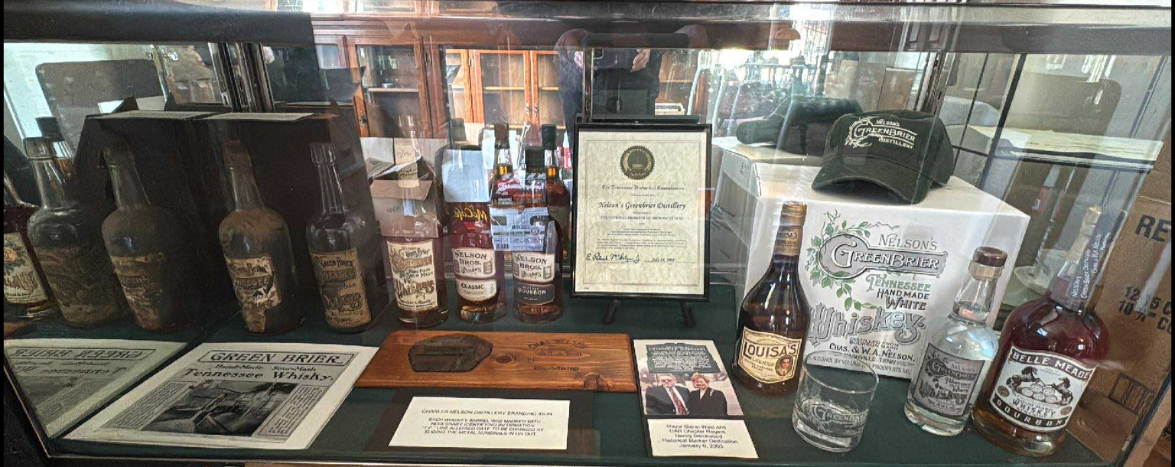
Artifacts from Nelson’s Greenbrier Distillery and Related Brands
This display features bottles, labels, and documents connected to Nelson’s Greenbrier Distillery and the broader whiskey trade that once defined Greenbrier’s economy. Founded by Charles Nelson in the late 19th century, the distillery grew into one of the largest in Tennessee, supporting local jobs and commerce while shipping products statewide and beyond.
The items shown here reflect both local production and later brands that carried forward the region’s distilling legacy, preserving Greenbrier’s place in Tennessee whiskey history.
Engraved Whiskey Decanter from Nelson’s Greenbrier Distillery
This engraved glass decanter is associated with Nelson’s Greenbrier Distillery and reflects the craftsmanship and presentation used in Tennessee whiskey during the late 19th and early 20th centuries. Items like this were often used for storage, serving, or display, underscoring the importance of whiskey not only as an industry, but as a symbol of prosperity and trade in Greenbrier.
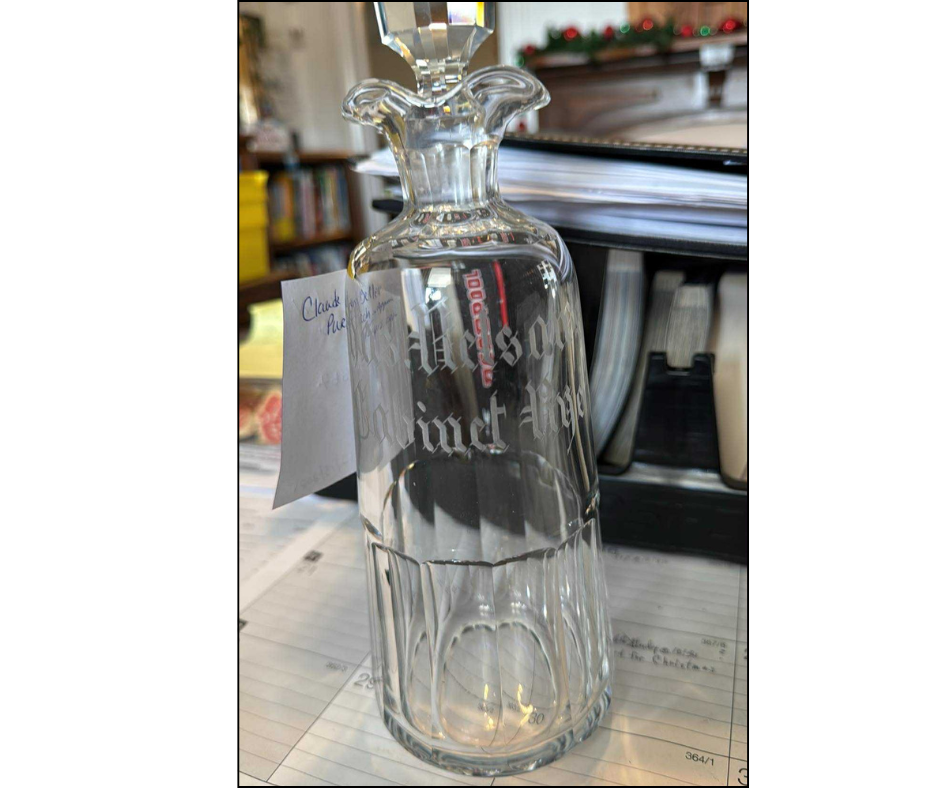
Donated by David & Pat Allen from Claude Bellar Collection